













Stronger enforcement and simpler rules can strengthen European industry, restore fair competition, and deprive illegal sellers of their price advantage.
Border controls alone will not be enough to stop Europe’s black market. This is the conclusion of a new study published on 13 November by Hermes – European Study Centre.
The paper, entitled Stopped at the Source: Ending the Black Market Through EU Competitiveness, calls for a more competitive European economy to tackle illegal trade at its source. According to the study, reducing compliance costs for businesses and coordinating enforcement activities would eliminate the price advantage exploited by counterfeiters and smugglers.
In 2025, EU authorities intercepted a record 196 million counterfeit items, a 67% increase compared with 2024, with a total value of €6.3 billion, according to a joint report by the European Union Intellectual Property Office (EUIPO) and the European Commission.
“Every day, illegal and counterfeit goods flood the European single market,” said Giovanni Kessler, Chairman of Hermes’ Scientific Committee and former Director-General of the European Anti-Fraud Office (OLAF). “Greater investment in enforcement is needed to prevent illegal operators from undercutting businesses that comply with the rules.”
Kessler, who previously headed the Italian Customs and Monopolies Agency (ADM), is a recognised expert in fraud, smuggling and the protection of the European Union’s financial interests.
Europe’s black market affects numerous sectors, ranging from fake Murano glass and counterfeit Italian fashion to fake cosmetics and illegal and dangerous electronic cigarettes. In Venice, for example, trade associations estimate that up to 70% of glass products sold as Murano glass are counterfeit.
Across all the cases examined, the study identifies the same pattern: regulatory complexity burdens those who comply with the rules and benefits those who disregard them.
More broadly, this complexity undermines European competitiveness. In the digital economy, high compliance costs have made it harder for European technology start-ups to attract investment and compete with international rivals. In sectors where Europe has simplified its rules, both competition and growth have increased.
Building on the One Europe, One Market roadmap, the paper proposes a new competitiveness agenda. It calls on the European Union to simplify existing rules by reviewing current legislation, eliminating overlapping requirements and reducing unnecessary administrative burdens before introducing new ones.
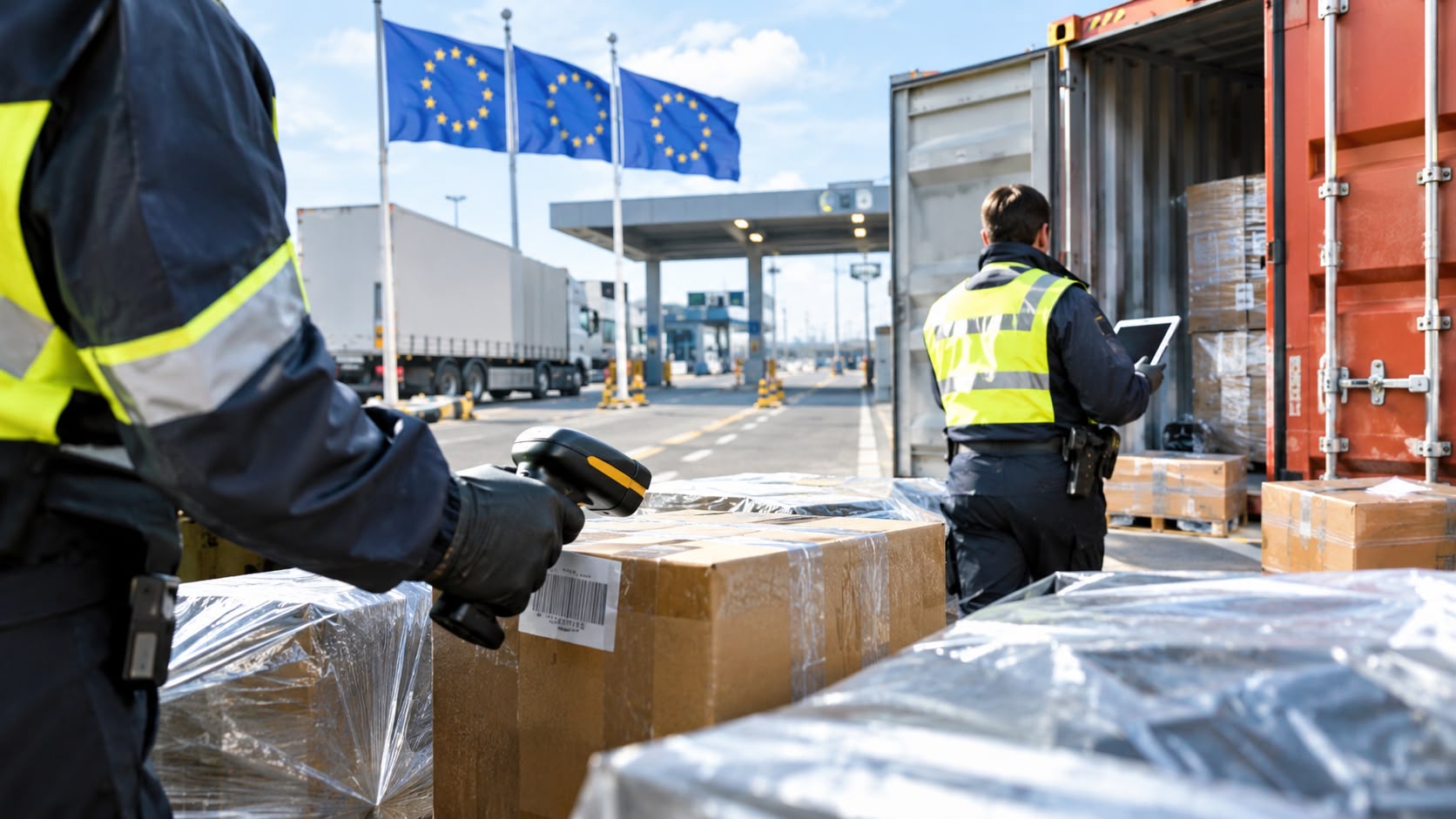
It also recommends strengthening and coordinating enforcement across Member States to prevent illegal goods from entering the single market through its most vulnerable entry points.
Finally, it proposes assessing regulation on the basis of tangible outcomes, including its impact on prices, competitiveness and illegal activities, rather than on the number of rules adopted.
Europe does not have to choose between fighting the black market and strengthening its competitiveness. According to the study, the most effective defence against the black market is a competitive European economy that gives law-abiding businesses the space to grow and thrive.