












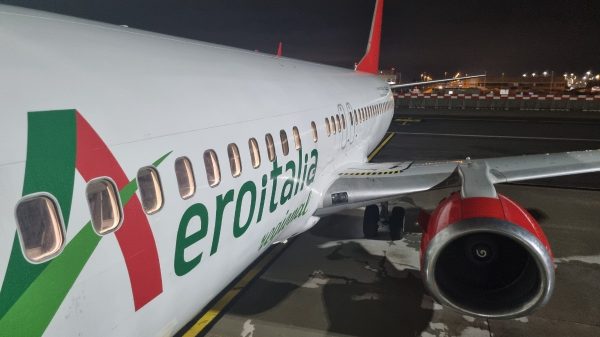


Most airline passengers don’t realise that an aircraft bearing an airline’s logo may, in fact, be owned by a leasing company or a financing entity. But the separation of ownership from operational control is fundamental to many aircraft financing arrangements. The dispute between FitzWalter Aviation (FWA) and Vietjet raises a broader question for the aviation industry: how can a freezing order be enforced in a way that preserves assets while safeguarding the economic value generated through their operation?
Typically, these arrangements grant legal title to aircraft to specialised leasing companies, private credit funds, or dedicated special purpose vehicles (SPVs) established and operated by equity investors. These financial institutions purchase aircraft directly from manufacturers such as Airbus or Boeing and subsequently lease them to airlines under multi-year agreements.
This separation plays a crucial role in the business plans of growing airlines, allowing them to expand operational capacity without having to commit the full purchase price of an aircraft upfront. Meanwhile, lessors retain the underlying assets and security interests, while collecting regular lease payments or maintenance reserves to protect the value of the aircraft. However, these arrangements also demonstrate how, in the modern aviation era, relationships between airlines and lessors are built on complex commercial structures in which contractual and financial rights are closely intertwined.
Such structures take shape even while aircraft are still in production. Depending on the transaction, the purchaser or a financing party may make pre-delivery payments to the manufacturer. The rights arising from these payments, as well as the point at which ownership of the aircraft transfers, depend on the specific transaction documents. Once an aircraft enters service, the lease agreement may also require the airline to make maintenance reserve payments.
These maintenance reserves are designed to protect the lessor’s investment in the aircraft and mitigate risks arising from its operation by the airline. Payments are generally calculated based on flight hours, operating cycles or other contractual criteria.
The reserves may be used to cover major maintenance events involving engines, the airframe or landing gear. The holding of these funds, the conditions for reimbursement and the treatment of any remaining balance upon termination of the lease all depend on the specific contractual arrangements.
These structures have become central to a complex commercial litigation involving international airline Vietjet. The four aircraft at the heart of the dispute were embedded in multi-party financing arrangements, under which ownership, security interests and operational rights were divided among different parties.
On October 15, 2026, the High Court of England and Wales granted FWA’s application for a Worldwide Freezing Order (WFO) in support of enforcement of a judgment against Vietjet. The Court found that there was a real risk of asset dissipation. Alongside the WFO, a separate order provided for the appointment of a receiver over assets. For each transaction, the extent of any impact must be assessed by reference to the terms of the relevant order, the rights of the parties involved and the evidence relating to the assets concerned.
Even where ownership is clearly delineated on paper, the commercial consequences can extend beyond the parties directly involved in the dispute. If manufacturers or lessors are required to delay aircraft deliveries while awaiting clarification of the order’s scope, airlines may find themselves short of operational capacity during peak travel seasons. Banks and suppliers may also need to reassess their financing and supply schedules. If repeated, such uncertainty could undermine confidence in the aviation financing market’s ability to anticipate and manage risk.
Contracts establish the rights and obligations of each party. However, when assessing the impact of enforcement measures, consideration should also be given to the value generated by an airline when it operates aircraft safely and efficiently. An aircraft deployed according to schedule helps sustain routes, maintain passenger connectivity and generate revenue that enables the airline to pay lessors, banks and suppliers. Even if an aircraft retains its full book value, delays in putting it into service can cost an airline an entire season’s revenue.
When the threat of operational disruption becomes leverage in settlement negotiations, the market may create further incentives for what is commonly known as vulture investing: acquiring distressed debt at a discount and seeking returns through recovery pressure. In aviation, such pressure can escalate quickly when an aircraft delivery is delayed, as costs accumulate according to flight schedules and ripple across parties that are not directly involved in the dispute. If the market places a high value on the ability to cause disruption, investments of this nature may become increasingly attractive.
Confidence in the aviation industry depends on both the ability to enforce financial commitments and the ability to maintain legitimate commercial operations. Early clarification of third-party rights and the scope of transactions permitted to continue can help preserve the revenue streams needed to meet payment obligations, while reducing the costs ultimately borne by passengers, business partners and suppliers.