





The EU’s chief diplomat and national foreign ministers want a stronger say in Europe’s negotiating position after leaders agreed a team that leaves Kallas outside the group.
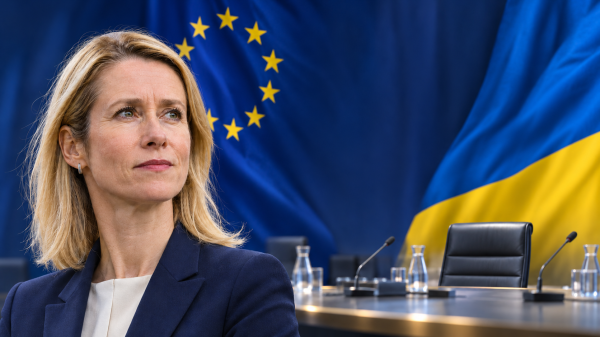
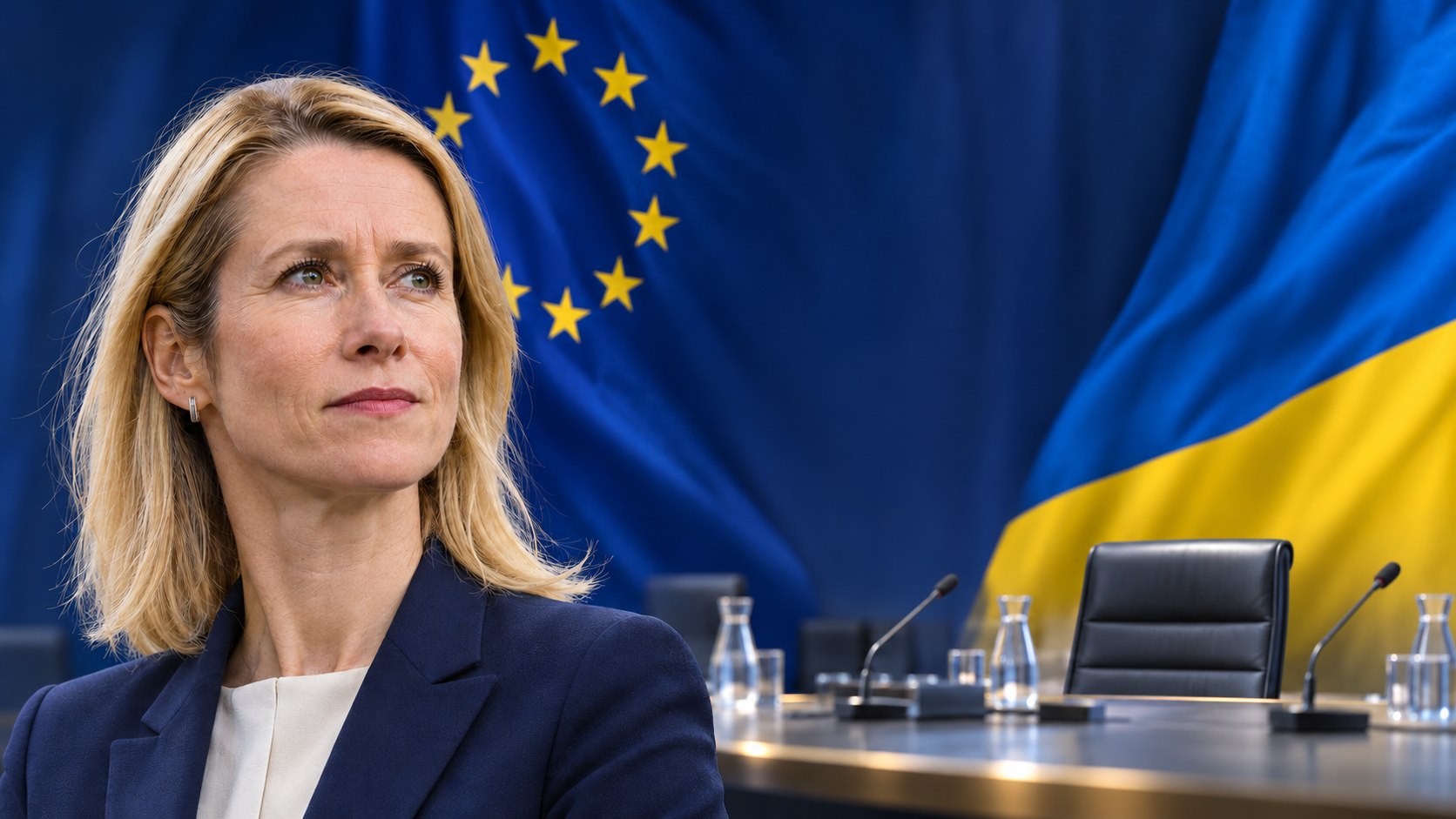
Kaja Kallas has defended her role in Ukraine peace diplomacy after EU leaders agreed a negotiating team that does not include the bloc’s High Representative for Foreign Affairs and Security Policy.
Speaking after the Foreign Affairs Council in Brussels on 16 November, Kallas invoked the EU treaties and said national foreign ministers wanted to help shape negotiations. “Take the treaties out and read the treaties,” she said, while acknowledging that leaders could choose a different arrangement.
The format, agreed in Dublin on 13 November, brings together EU institutions and France, Germany, Italy, Poland and the United Kingdom. European Council President António Costa presented it as a collective effort to coordinate Europe’s contribution to the negotiations, working with all EU member states. Consilium
Kallas’s response shifts attention to the instructions that team will follow, and to the role ministers and the EU’s diplomatic service will have in drawing them up.
Ministers seek a say in the mandate
Kallas said foreign ministers had already prepared their maximum demands and were ready to continue that work. She argued that their role should extend beyond receiving briefings.
“They want to be involved in these talks,” she said.
Asked when a mandate would be ready and who would approve it, she pointed to existing ministerial and ambassadorial structures. She did not announce a timetable or specify which body would adopt it
Ahead of the meeting, Kallas also defended the expertise available within the European External Action Service. Its specialists, she said, understood Russia and the history of previous negotiations. She argued that this knowledge, together with the regular work of foreign ministers, would allow her to keep contributing to the substance of the process.
The practical question is how that expertise will reach the negotiating table, and how countries outside the core group will influence proposals made on Europe’s behalf.
A foreign policy role shared across institutions
The treaties give Kallas substantial responsibilities. Article 18 of the Treaty on European Union assigns the High Representative the conduct of the EU’s common foreign and security policy, acting on the Council’s mandate. Article 27 gives the officeholder responsibility for representing the Union on those matters and conducting political dialogue with third parties.
National leaders also retain a central role. Article 26 gives the European Council responsibility for setting strategic objectives and general guidelines, while the Council takes the decisions needed to define and implement the policy. Article 15 provides for the European Council president to represent the Union at his level, while preserving the High Representative’s powers. EUR-Lex
This division of responsibilities helps explain the tension. It gives Kallas a firm basis for demanding an influential role, without establishing that she must personally attend every negotiating round. The challenge is to make the chosen format work alongside the institutions responsible for developing and implementing EU policy.
Ceasefire and security guarantees come first
The Council’s official meeting summary provides a clearer account of ministers’ immediate priorities. They agreed that negotiations should concentrate on substance, with a ceasefire and security guarantees for Ukraine among the first outcomes to be secured. Ukrainian Foreign Minister Andrii Sybiha attended the meeting and briefed ministers on the Abu Dhabi talks.
Kallas warned before the meeting against allowing Russia’s demands to dictate the discussion. She argued that Moscow, as the aggressor, should be required to make concessions, and that Europe should use sanctions and frozen assets to obtain concrete results. Ending attacks on Ukrainians and civilian infrastructure, she said, had to come first.
For the European team, that creates a demanding task: pursuing an agreement while maintaining a common position on the conditions that would make it credible. Differences over who negotiates could become consequential if they also produce uncertainty over which commitments representatives are authorised to make.
Costa has also set out a limit on Europe’s role. Decisions concerning Ukraine’s territory and sovereignty belong to Ukraine, he said in Dublin. He identified the EU’s responsibilities in Ukraine’s European future and reconstruction, with security guarantees to be addressed through the Coalition of the Willing in coordination with NATO. Consilium
Financial commitments give the debate practical weight
Europe’s involvement extends well beyond the composition of its delegation. At the 16 November meeting, the Council approved a decision enabling Ukraine to receive just under €8 billion under the Ukraine Facility. Ministers also backed additional sanctions against Russia and discussed Ukraine’s winter needs.
EU leaders are due to consider Ukraine’s financing requirements for 2027 and beyond at their meeting on 26 and 27 November, building on forthcoming European Commission proposals.
Those decisions show why the relationship between the negotiating team and the wider EU matters. Any diplomatic progress will need political support, funding and follow-through from institutions and governments with responsibilities of their own.
For Kallas, the immediate test is whether the work of foreign ministers and the diplomatic service shapes the position negotiators take into the next round. For Europe, it is whether the chosen team can turn a shared commitment to peace into a position that Ukraine’s partners can sustain.