

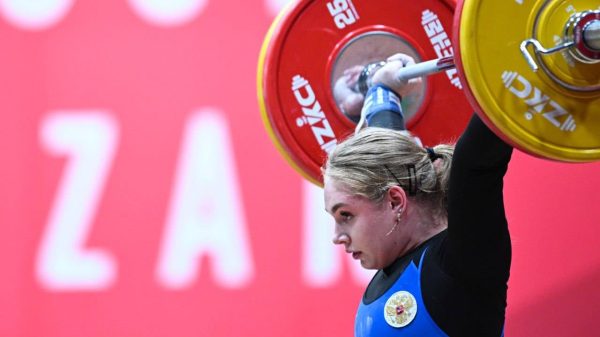
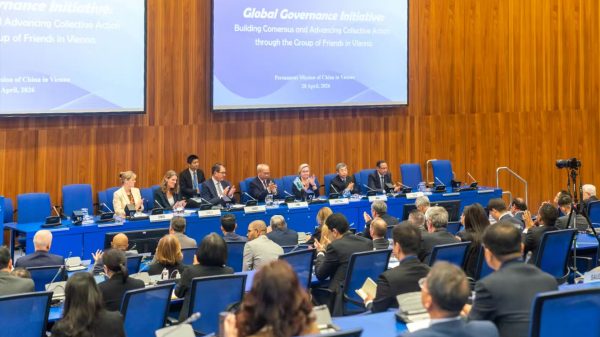


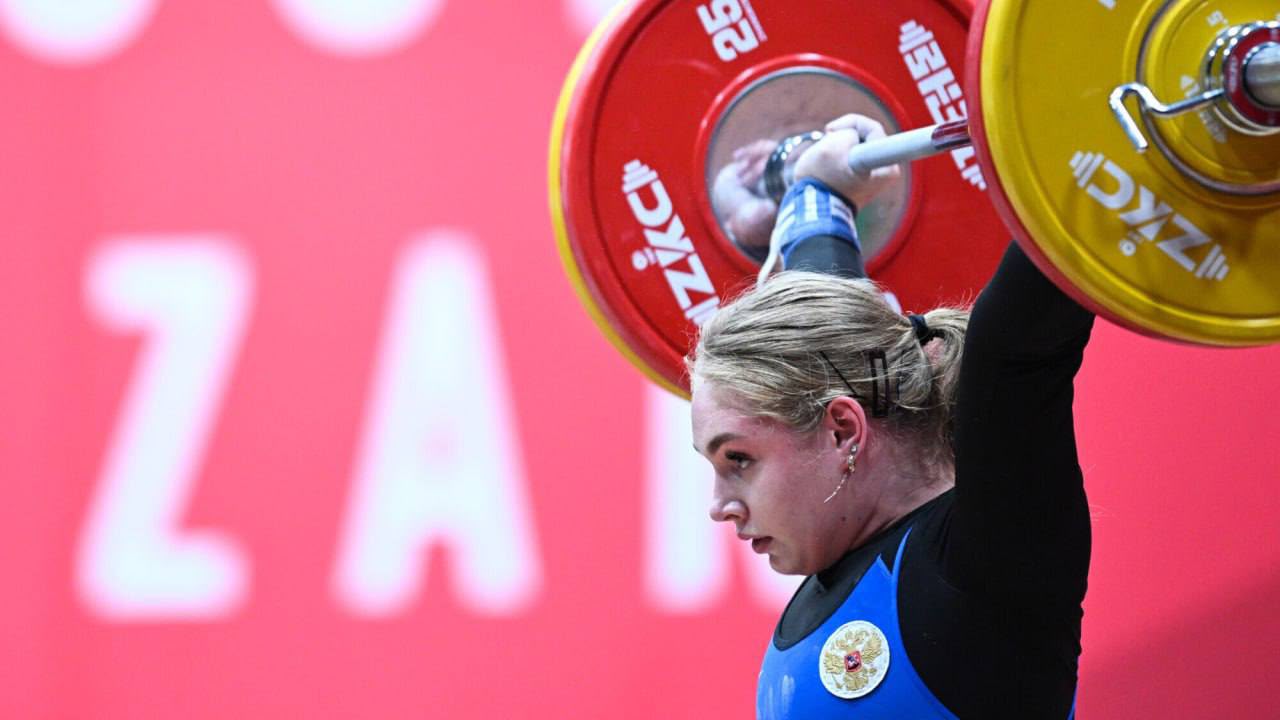
On 25 October, the International Weightlifting Federation (IWF) named Moscow as host of the 2030 World Championships. It is the first time since 2022 that a world championship in an Olympic sport has been awarded to Russia, and the reaction was immediate.
Ukraine’s sports minister called the decision shameful and said Ukrainian athletes would not travel to Moscow. The Swedish Olympic Committee condemned it, while ruling out a boycott.
The criticism is understandable. Weightlifting is a relatively small sport, yet the decision sets a precedent that other federations may follow, and that is why it deserves a close look.
The hosts were chosen through an open tender launched in September. At the same meeting, the IWF awarded the 2029 championships to India, which competed with Russia and Venezuela for that edition, and gave Kosovo, Venezuela and India their first IWF world events. “All the bids we received were excellent,” said General Secretary José Quiñones.
The IWF acted within the framework set by the International Olympic Committee. In July, the IOC provisionally lifted the suspension of the Russian Olympic Committee, calling neutrality a fundamental principle of the Olympic Charter, and left hosting decisions to each federation. IOC President Kirsty Coventry said athletes should not be held accountable for the actions of their governments.
What matters most now are the conditions attached to the decision. The 2030 championships will be a qualifying event for the Brisbane 2032 Olympic Games, so every athlete will need to be there. The host will have to guarantee access, equal treatment and safety for all delegations. The Russian Anti-Doping Agency has yet to be restored to compliance, and four years is enough time to address that. Each of these points can be checked long before the competition begins.
Sport does not resolve political conflicts, yet it has often kept a door open when others were closed. In 1971, a US table tennis tour of China helped prepare the ground for normalised relations. In 2018, North and South Korea fielded a joint women’s ice hockey team at the PyeongChang Olympics.
Four years is a long time, and the world may look very different by 2030. The IWF’s decision is a bet that by then international weightlifting will again be open to athletes from every country on equal terms. Whether the bet is justified will become clear step by step.