

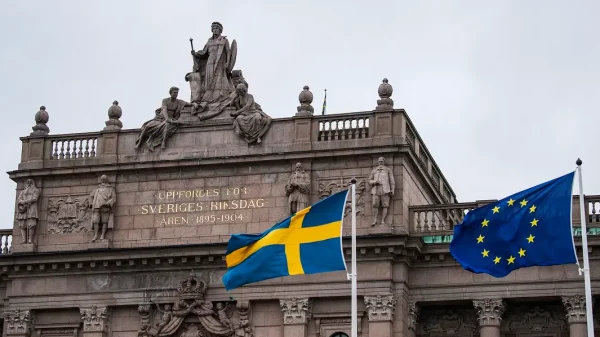







Efforts to update European Union tobacco taxes remain caught between competing approaches to nicotine policy, with Sweden’s political uncertainty adding another obstacle to negotiations.
The proposed revision of the Tobacco Taxation Directive would raise minimum duties on traditional tobacco products and introduce EU-wide minimum taxes for nicotine pouches, e-cigarettes and heated tobacco. The European Commission, which presented its proposal in July 2025, says the existing framework needs to reflect changing markets and support the objectives of Europe’s Beating Cancer Plan.
At the centre of the dispute is how taxation should balance discouraging nicotine use, particularly among young people, with incentives for adult smokers to move away from cigarettes.
Sweden supports harmonising some tax rules but has opposed minimum rates that it considers inconsistent with differences in product risk. In its formal response to the proposal, the Swedish government rejected taxing nicotine pouches at the same level as certain smoking tobaccos, arguing that countries should retain scope to differentiate.
Negotiators have already explored lower rates. According to The Examination’s September reporting, a compromise developed under the Cypriot Council presidency reduced the proposed minimum pouch tax from approximately €1.14 to €0.64 per can, depending on nicotine content. Even that lower figure would represent more than four times Sweden’s existing duty of roughly €0.15 per can, the publication reported. These figures concern excise duty, rather than final retail prices.
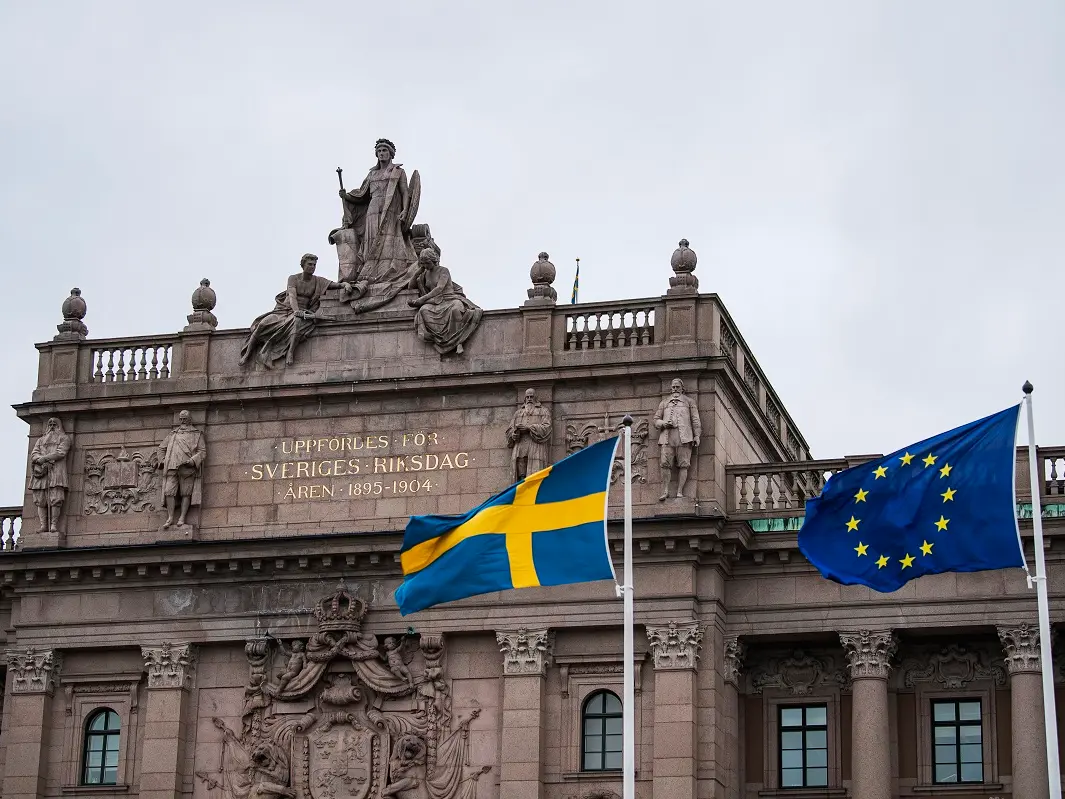
Sweden’s government formation difficulties have since complicated the timetable. Snusforumet reported on 15 October that a planned October ministerial decision had been postponed to November while coalition negotiations continued. The publication, maintained by the Association of Swedish Snus Manufacturers, suggested that both further delay and a change in Sweden’s negotiating position remained possible.
The distinction between opposition and abstention could prove significant. EU decisions harmonising indirect taxation require unanimity, but an abstention does not prevent adoption, according to the Council’s voting rules. A Swedish abstention would therefore remove its own obstacle, although agreement would still depend on other member states.
Public health campaigners argue that affordable nicotine products risk attracting new users and sustaining addiction. Manufacturers and supporters of differentiated taxation contend that substantial price differences can encourage smokers to switch. The commercial interests involved make independent evidence particularly important.
That evidence also requires careful interpretation. A 2025 Cochrane review, covering four studies involving 284 smokers, found insufficient evidence to determine whether nicotine pouches help people stop smoking. Limited short-term findings cannot establish long-term safety or the overall population impact of wider use.
Ireland’s Council presidency is seeking a compromise before its term ends in December. Negotiators must reconcile national tax preferences, concerns about youth uptake and arguments over alternatives to smoking. Sweden’s eventual position will matter, but the broader challenge remains securing agreement on how those objectives should translate into tax rates.