

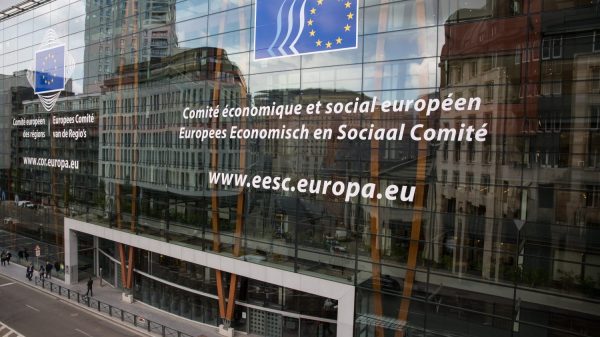









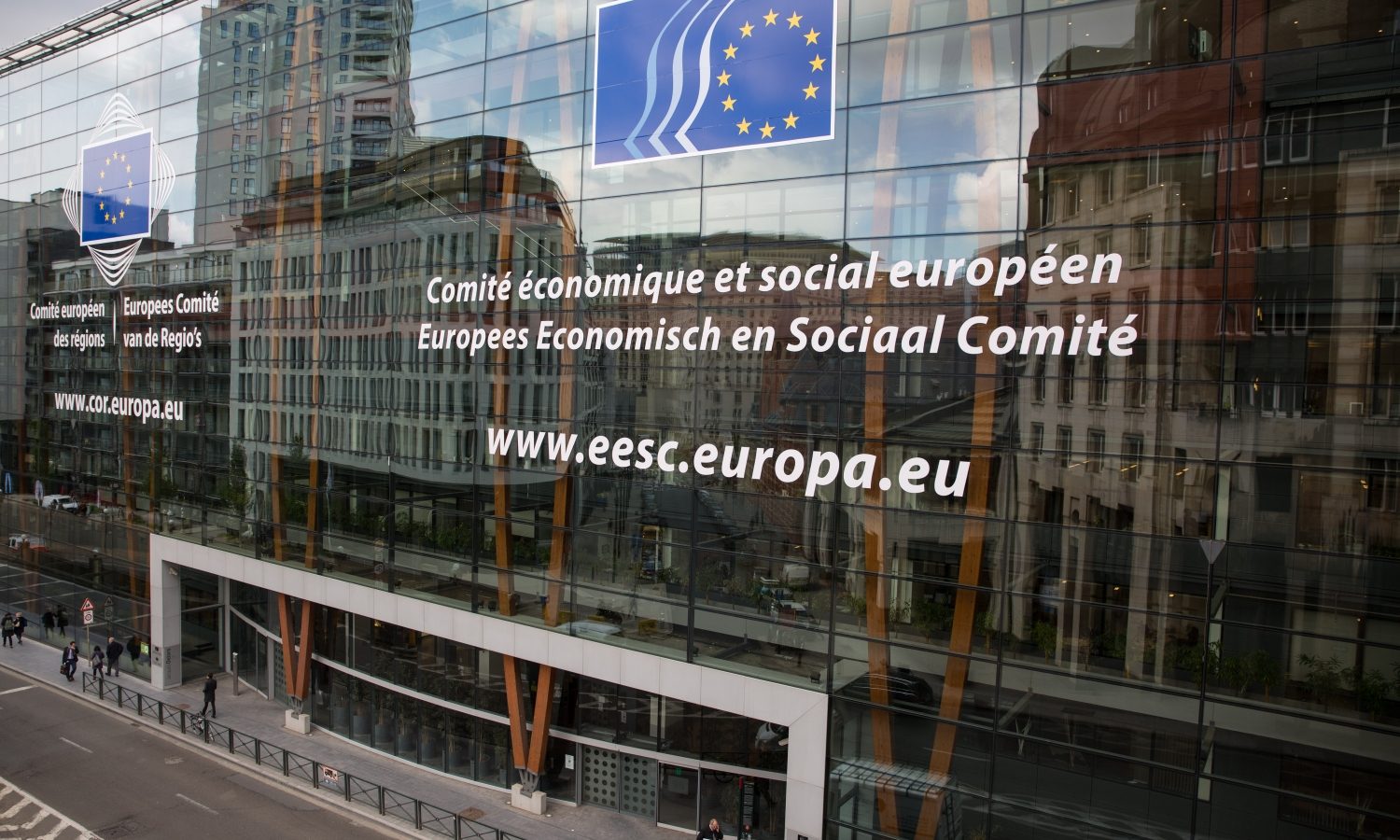
A fierce policy debate over the European Union’s Tobacco Excise Directive (TED) reopened a few weeks ago as the European Economic and Social Committee (EESC) adopted a consequential opinion (18/02/2026) on the Commission’s proposed overhaul of tobacco excise rules. While broadly supportive of modernising the directive to reflect market and public-health developments, the EESC’s warnings about excessive taxation have injected fresh urgency into a debate that extends far beyond cigarettes.
With 198 votes in favour, 38 against and 19 abstentions, the opinion urges that any reform must be proportionate, predictable and economically sustainable, stressing that “abrupt or excessive increases in excise duties, risk fuelling illicit trade, undermining fiscal revenues and weakening public health outcomes.”
From Brussels to Member States: A Political Flashpoint
The proposed TED revision, originally tabled by the Commission in July 2025, would raise minimum excise duties across traditional and new tobacco and nicotine products — including e-liquids, heated tobacco and nicotine pouches — as part of efforts to align taxation with evolving markets and the EU’s Europe’s Beating Cancer Plan.
But critics argue that the sheer scale of these increases — at times projected at well over 100 % above current minimums — could produce significant economic and social downsides, particularly in lower-income member states.
In a European Parliament hearing (FISC Subcommittee) in November 2025, several MEPs raised concerns that the Commission’s excise tax overhaul would carry heavy economic repercussions and risk loss of competitiveness for the entire Union. MEP Marco Falcone (EPP, Italy) stressed that the proposal ‘does not introduce a clear fiscal distinction based on health risk,’ while MEP Fernand Kartheiser (Independent, Luxembourg) warned the plan oversteps the Commission’s competence and threatens Member State fiscal sovereignty.
Industry and Experts’ Voices: Jobs, Innovation and Market Realities
Industry stakeholders have been equally vocal. During the same public hearing on TED, representatives from Tobacco Europe, speaking for major manufacturers such as British American Tobacco, Imperial Brands and Japan Tobacco International, warned that the proposed minimum tax hikes could undermine legal markets and fuel illicit trade.
Professor Francesco Moscone, an economist invited to testify, underscored that tobacco tax design is “a delicate balance act between the need to create a proper framework for a market … and create positive behavioural patterns in society.” Ignoring economic variables, he warned, “significantly increases the risk of errors, causing financial and health consequences for both individual Member States and the whole EU.”
These sentiments echo broader concerns among national capitals. Member States such as Sweden, Romania and Italy have publicly challenged steep tax increases, arguing that they could disproportionately penalise lower-income smokers, stifle regional industries and weaken the internal market’s competitiveness.
Illicit Trade and Fiscal Fragility
One of the EESC’s most pointed warnings concerns illicit trade. The committee stresses that higher minimum duties alone are no panacea, and without robust enforcement and customs cooperation, excise hikes can inadvertently expand illegal markets. This risk is not hypothetical. Independent surveys have documented large shares of untaxed cigarettes circulating in the economy.
The use of unregulated products was particularly rampant in France and the Netherlands. As the largest illegal market in Europe, 18.7bn illicit cigarettes were consumed in France in 2024, accounting for 37.6% of total consumption. Meanwhile, illicit consumption in the Netherlands was 17.9% of the national total. A reminder that tax policy without enforcement can backfire.
Why Over-Taxation Matters for Innovation and Sustainability
Beyond fiscal and enforcement concerns, the TED debate highlights a deeper policy tension: the risk that over-taxation stifles innovation and sustainable market development. Alternative nicotine products are increasingly positioned by public health advocates and some member states as harm-reduction tools with growth potential. Penalising them through blunt tax regimes, industry voices argue, could disincentivise investment in reduced-risk technologies and undercut the transition to less harmful products.
From a competitiveness perspective, Europe risks disadvantaging its own industries if it fails to calibrate tax policy with market realities. Overburdened tax regimes can prompt consumers to seek cheaper, often illicit alternatives, while onerous harmonised excise floors can suppress legal innovation and cross-border market development. This is particularly pressing in global markets where competitors outside the EU operate under very different fiscal regimes.
The TEDOR Dimension: When Tax Policy Becomes Budget Policy
Overlaying the health and market debate is a second, politically sensitive issue: TEDOR (Tobacco Excise Duty Own Resource) proposed by the European Commission. Under TEDOR, a uniform 15% call rate would apply to the quantities of manufactured tobacco and related products released for consumption, based on the minimum excise rate applicable in each country. The Commission expects TEDOR to generate approximately €11.2 billion annually.
Critics argue that once tobacco taxation becomes partially embedded in EU revenue financing, the policy objective risks shifting, even subtly, from public health optimisation to revenue maximisation. Several Member States have expressed concern that this could incentivise structurally higher excise floors that are not necessarily aligned with domestic economic conditions.
In this context, the EESC’s call for proportionality takes on added weight: an excise policy designed primarily as a fiscal extraction tool could undermine innovation, competitiveness and consumer transition strategies.
Looking Ahead: Council Negotiations and Legislative Crossroads
The EESC’s opinion, while advisory, feeds into a broader legislative process. Because tax legislation under TED requires unanimous agreement in the Council, member states’ deep divisions mean the proposal is far from guaranteed adoption in its current form.
As the debate unfolds, policymakers face a critical test: craft excise rules that reduce tobacco harms without undermining competitiveness, innovation or fiscal stability. The EESC’s intervention, aligned with voices from the Parliament, industry and economic experts, reinforces that tax policy cannot be viewed solely through a health lens. Instead, it must balance health objectives with the realities of markets, jobs and sustainable economic growth.
In an era where the EU is striving for global leadership on innovation and fair competition, the TED debate underscores that smart tax design – not punitive tax hikes – is essential to achieving long-term public-health and economic sustainability goals across the Union.