


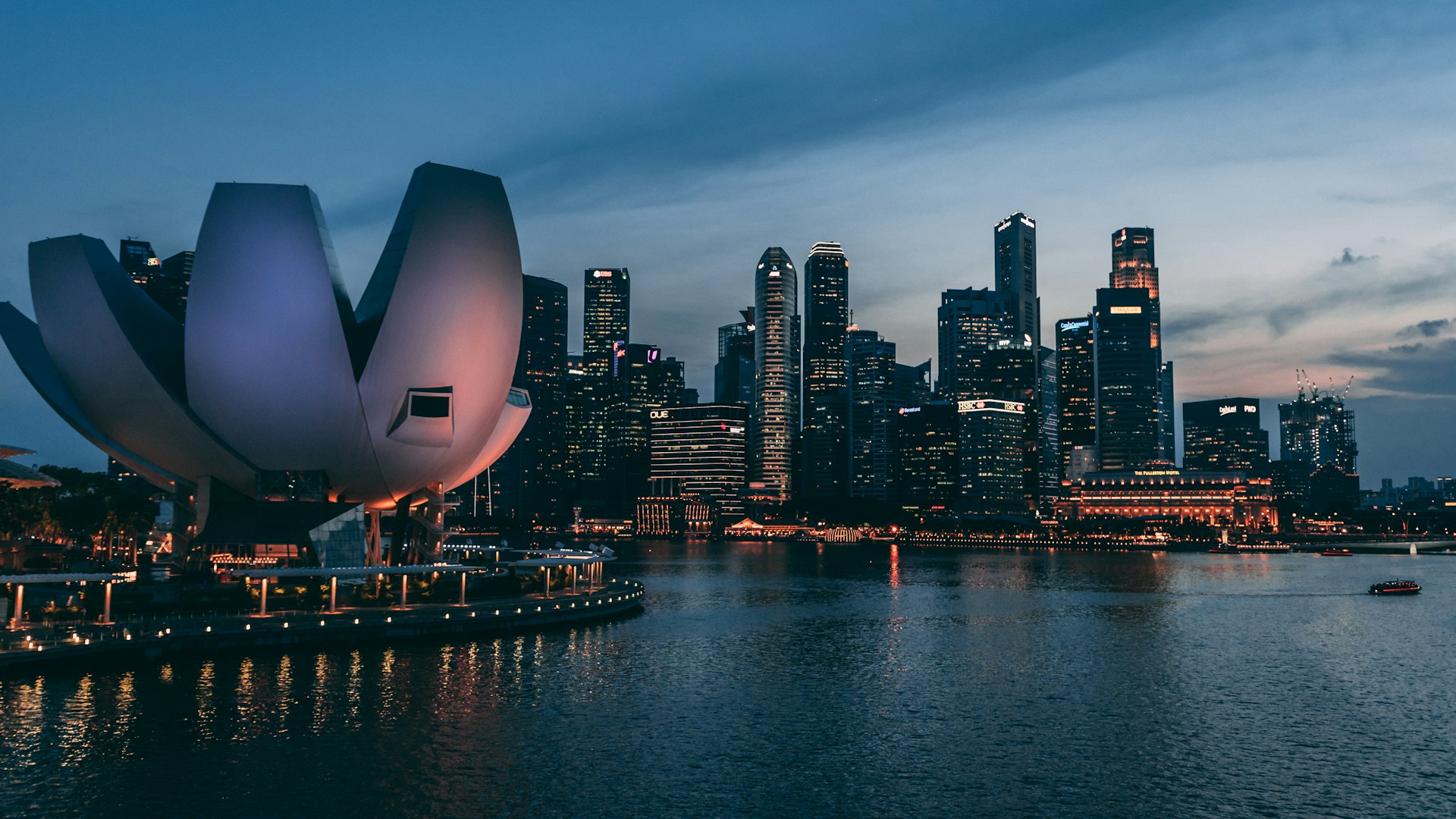
Singapore’s International Arbitration Centre has promised to investigate damaging claims around a controversial $490 million ruling it made last year.[1]
The Bar Standards Board (BSB) – which oversees the conduct of barristers in the UK, including those who work abroad – contacted SIAC after a whistleblower complained to it about a British KC.
The high-flying barrister was one of three arbitrators on a SIAC panel considering a compensation claim brought by BVI-registered Kleros Capital Partners against India’s Tata Power.
The ruling, which surprised legal commentators, was based on a “lost chance” premise that Tata’s withdrawal from an agreement with Kleros stopped the latter from sharing in the profits from a proposed coal mining deposit in Eastern Russia. The project was shelved after the worldwide COVID outbreak, and Kleros successfully argued that Tata had broken confidentiality clauses.
When the news reached Russia, outlets there decided to follow up the story, particularly as the planned mine was close to Kamchatka, a UNESCO world heritage site known for its 26 volcanoes.
Journalists sought to find out how Kleros came to be offered a licence to develop the site, when the region has never had a coal mine because it was considered too unstable for such a venture.
It was then discovered that business visas had been obtained for two foreign visitors to Moscow in 2017 and 2018, sponsored on both visits by a Russian Icelandic friendship society chaired by Ingo Skulason, who is also the CEO of Kleros.
One of the individuals named on the visa matched that of the British KC who accepted an offer to join the arbitration panel for Kleros-Tata two years later. The other visa was issued to an American, who appeared as an expert witness in the same arbitration.
Tata declined to comment when approached, but not disclosing personal or business links with any party is a clear breach of Singapore’s ethical code for arbitrators. The Indian company is appealing the arbitration at the Singapore International Commercial Court (SICC).
The whistleblower decided to complain to the BSB after one Russian news website named the three arbitrators in the Kleros-Tata case, while another published a leaked copy of the business travel visas which had the name of the British panel member on it.
A letter sent by the BSB to the whistleblower said SIAC had agreed to look at the complaint, but only if the whistleblower contacted it directly. The complainant then emailed SIAC.

What will concern SIAC is that under its ethical code (clauses 1, 2.1, 2.2, and 3 are particularly relevant in this instance) an arbitrator cannot countenance sitting on a case when they “have any doubt about their ability to be impartial and independent.”[1]
Indeed, they must, according to the code, disclose to SIAC’s registrar “any circumstances that give rise to justifiable doubts as to their impartiality or independence.”
Worse still from a reputational point of view – international arbitration centres stand or fall on the confidence that businesses have in them – leaked papers from the mole revealed that it had earlier investigated the British KC following a complaint by Tata over what it saw as conflicts of interest over his relationship with Omni Bridgeway, a third party funder in the case.
SIAC briefly suspended the arbitration but then restored it after the KC assured it that the Tata claims about his impartiality being compromised were “without foundation.” A month later the decision was published in Kleros’s favour.
Questions will now be asked about the rigour with which SIAC led that internal problem, and why it lifted the suspension of the arbitration after only a month without uncovering the fresh allegations which have now been published extensively in Russia?
It is also without precedent in Singapore, where only one in five arbitration decisions are challenged, and where SIAC’s official homepage states that it is “Where the world goes to arbitrate.”
Since it was established as a not-for-profit in 1991, SIAC has risen to become one of the republic’s most respected and revered institutions, vying with London as the world’s No.1. Now with the likes of Dubai, which has set up a state-of-the-art arbitration centre, the competition has never been fiercer.
The last thing SIAC needs is a problem emanating from Russia – a continent long associated with Kompromat and the dark arts – and allegedly involving one of its arbitrators and a party who later won a case where they received close to half a billion dollars in damages.
Russian media, meanwhile, is continuing to investigate Kleros and the mystery of why visas sponsored by an NGO ended up in the hands of two men with no associations to it.
Upset at what they saw as the misuse of an NGO, the Russians were further annoyed that Kleros was allegedly pitching to sell Russian assets it did not own, much as it did the coal mine venture it offered to partner with Tata on.

And to further add fuel to an already blazing fire, a member of the Russian state Parliament (Duma), has written to the public prosecutor asking for a criminal investigation to be launched into Kleros partners and its activities in Russia.
Artyom Kiryanov, deputy chair of the Economic Policy Committee, which reviews the Russian budget, later released the letter he had sent.
In it he stated that there needed to be an investigation into how Kleros had attracted investment from Tata “into a project that was knowingly non-viable on the territory of the Russian Federation.”
He also asked whether there was a connection between this deal and others the company was reported to have been “simultaneously” trying to conclude in Russia alongside his “business partners – the British lawyer and the American mining consultant.”
Alexander Gutsanu, the Prosecutor General of the Russian Federation, wields some of the extensive powers in Russia, including the authority to initiate criminal prosecutions.
Should he exercise that right over Kleros and its associates, then the problems for SIAC might be only just beginning.
[1] https://www.cnbctv18.com/market/stocks/tata-power-share-price-ordered-to-pay-490-million-to-kleros-in-partial-arbitration-award-19630783.htm