

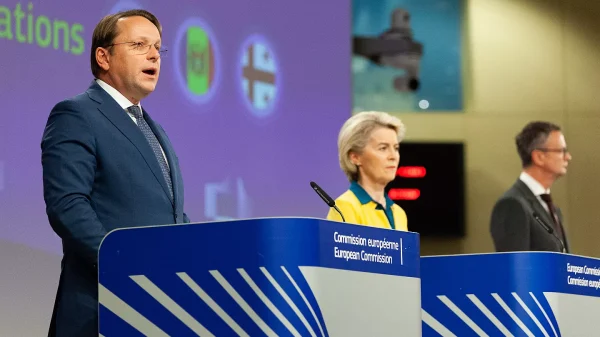


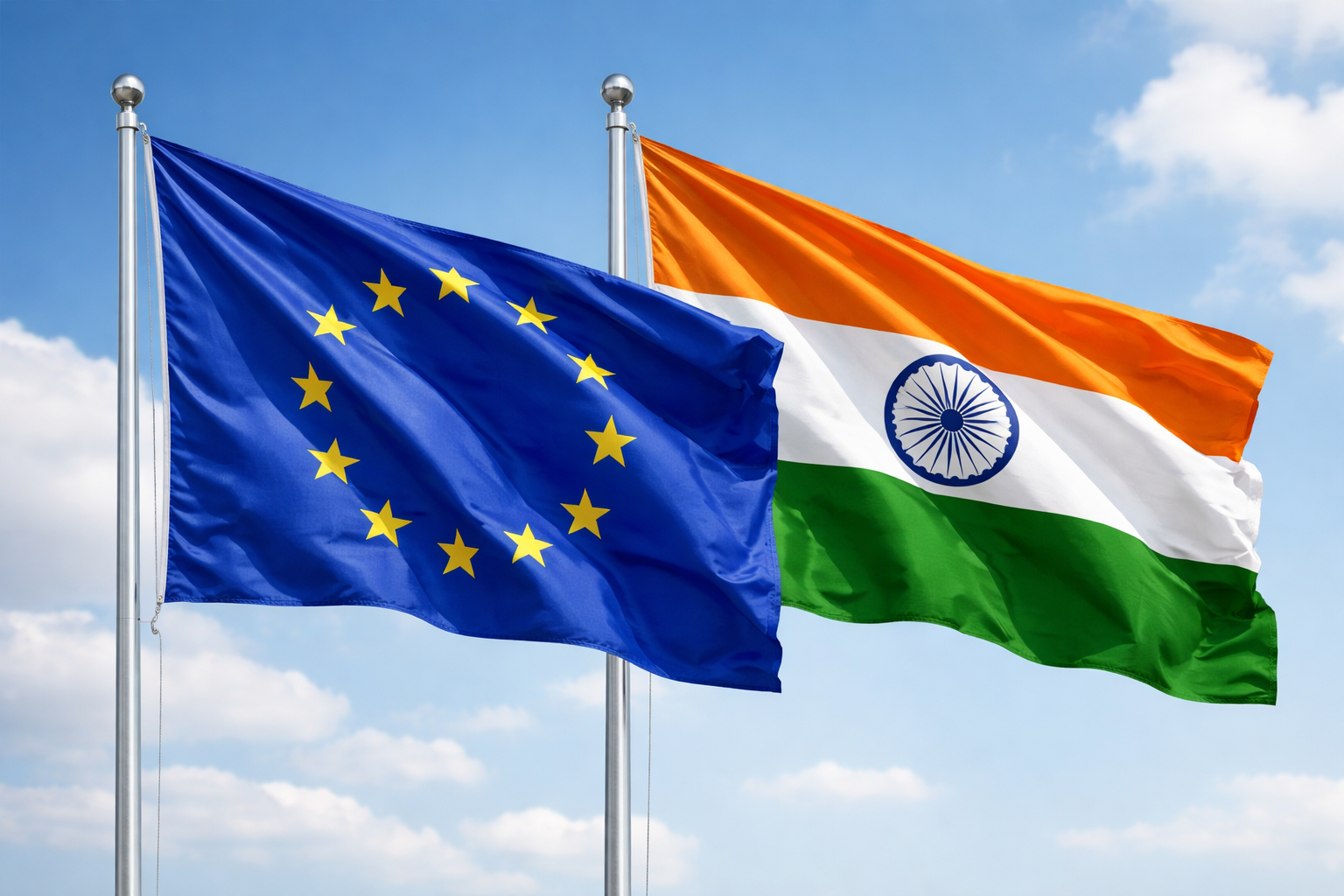
The European Union’s decision to elevate relations with India reflects strategic calculation rather than diplomatic symbolism. The presence of European Commission President Ursula von der Leyen and European Council President António Costa as guests of honour at India’s Republic Day celebrations signals a shared political intent to deepen cooperation across trade, geopolitics and global governance.
Ahead of the visit, von der Leyen described the invitation as a “clear statement of political intent”, underlining the EU’s ambition to build a long-term partnership with India based on mutual economic benefit and strategic trust. EU officials have characterised the renewed engagement as a potential turning point after years of slow-moving negotiations.
From a European perspective, India represents one of the world’s largest untapped growth markets. With a population exceeding 1.4 billion and sustained economic expansion, India offers long-term opportunities for European exporters and investors across manufacturing, pharmaceuticals, agri-food, clean technologies and digital services.
The European Commission has pointed to the prospect of unprecedented market access for EU companies. According to Brussels, a future EU–India trade agreement could grant European firms their highest level of access ever to sectors that have traditionally been heavily protected in the Indian market, delivering competitive advantages for European industry.
Supply chain resilience is another key driver. Recent global disruptions have exposed Europe’s dependence on concentrated production hubs. EU policymakers increasingly see India as a credible partner for diversifying supply chains while maintaining open trade. This approach aligns with the EU’s broader strategy of de-risking rather than decoupling.
Beyond economics, the EU views India as a pivotal geopolitical partner in an emerging multipolar world. European Council officials have repeatedly emphasised the importance of working with like-minded partners to uphold open sea lanes, global trade routes and multilateral institutions. Engagement with India allows the EU to reinforce its global influence without being drawn into bloc-based rivalries.
Climate and technology cooperation also feature prominently in the partnership. EU officials argue that global climate goals cannot be met without India’s participation. European expertise in renewable energy, hydrogen, energy efficiency and environmental regulation is increasingly aligned with India’s development priorities.
Despite growing political momentum, challenges remain. Trade talks will need to bridge regulatory differences, agricultural sensitivities and sustainability commitments. European officials caution that progress will require pragmatic compromises on both sides.
Nevertheless, the strategic rationale for Europe is clear. As Brussels seeks growth, resilience and strategic autonomy, India is emerging as a central pillar of the EU’s long-term economic and geopolitical strategy.