








A year after the world saw roughly 1.5 billion people head to the polls, political upheaval hasn’t stopped. While 2024 saw elections in more than 50 countries, 2025 was largely marked by youth-led popular uprisings and the establishment of new political orders. In Nepal, Gen Z protestors forced out an ageing political class; in Bangladesh, protests ousted 15 years of stagnant rule and business as usual politics; and in Syria, a new government has formed, cautiously optimistic and emerging from the long shadow of civil war.
In Nepal, Bangladesh, and Syria, economic recovery has been a core component of the current governments’ attempts to put their countries on the right, long-term track. However, their approach to attracting investment and rebuilding business confidence have been strikingly different and point towards drastically different recovery timelines.
In Nepal, efforts at recovery have focused on clearcut anti-corruption campaigns targeting former ministers and officials accused of leveraging public power for private gain. Corruption is largely viewed to have been widespread and with elections set for March 2026, the interim government has focused on empowering pre-existing oversight bodies like the Commission for the Investigation of Abuse of Authority (CIAA). Most recently, the CIAA charged 55 Nepali officials and a Chinese company for financial irregularities of a hyperinflated cost for an airport. As elections quickly approach, the tone being set is that business can continue so long as the rules are followed.
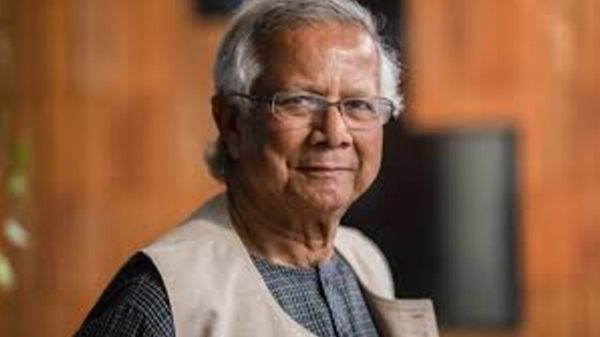
In contrast, Bangladesh’s post-revolution recovery has been bumpy at best. The interim government, led by Muhammad Yunus, has cast a wide net in its anti-corruption campaign, taking the curious step of labeling the former government’s party a terrorist organisation and banning it from future elections. Despite years of working with Western institutions, Yunus’s actions stand in contrast to Western values and have largely failed to stem the tide of political retribution. Extrajudicial killings, many of them politically motivated, continue to plague the country. This has bled over into economic management, with the interim government pursuing a campaign widely viewed to be a form of targeted retribution, much of it legally dubious.
Since coming into power, Yunus’s government has targeted a swath of business groups it claims were responsible for leading the country into dire straits. Their main claim for the economy’s trouble is the siphoning away of funds. The Bank of Bangladesh pushed hard for the country’s new Bank Resolution Ordinance which completely reformulated the banking sector and granted the central bank unprecedented power to restructure formerly independent banks. In some cases, the government’s actions fall outside the bounds of international law. It’s left the country’s efforts exposed to international judicial challenges and extended the timeline for recovery as investor sentiment cooled over government overreach.
In contrast, and despite over a decade of conflict, sanctions, and entrenched corruption, Syria’s road to recovery seems to be progressing at pace and with greater stability. Despite leading a former al-Qaida affiliated arm, Syria’s leadership has quickly shifted to make itself available and open to business with the West. The country’s leadership has set about establishing firm economic links to the global economy and has attracted over $28 billion in investment in just eleven months; an incredible feat, given that much of the country’s core infrastructure is managed by business leaders with strong links to the Assad regime.
The way in which the new Syrian government has approached those business leaders has been key to the country’s success. In contrast to Bangladesh, where ties to the former regime mark you as an unforgivable pariah, Syrian officials have forgone lengthy and expensive court battles with business groups for control over assets. Instead, the government has recognised the role they play in the country’s economy and made overtures to leaders in exchange for cash, investment commitments and some degree of corporate control.
It’s smart business and the sort of decision which could be the difference maker in the country’s remarkable return to stability. If leaders in Bangladesh are watching, they ought to take note and find ways to support business development rather than unnecessarily throttle it.