












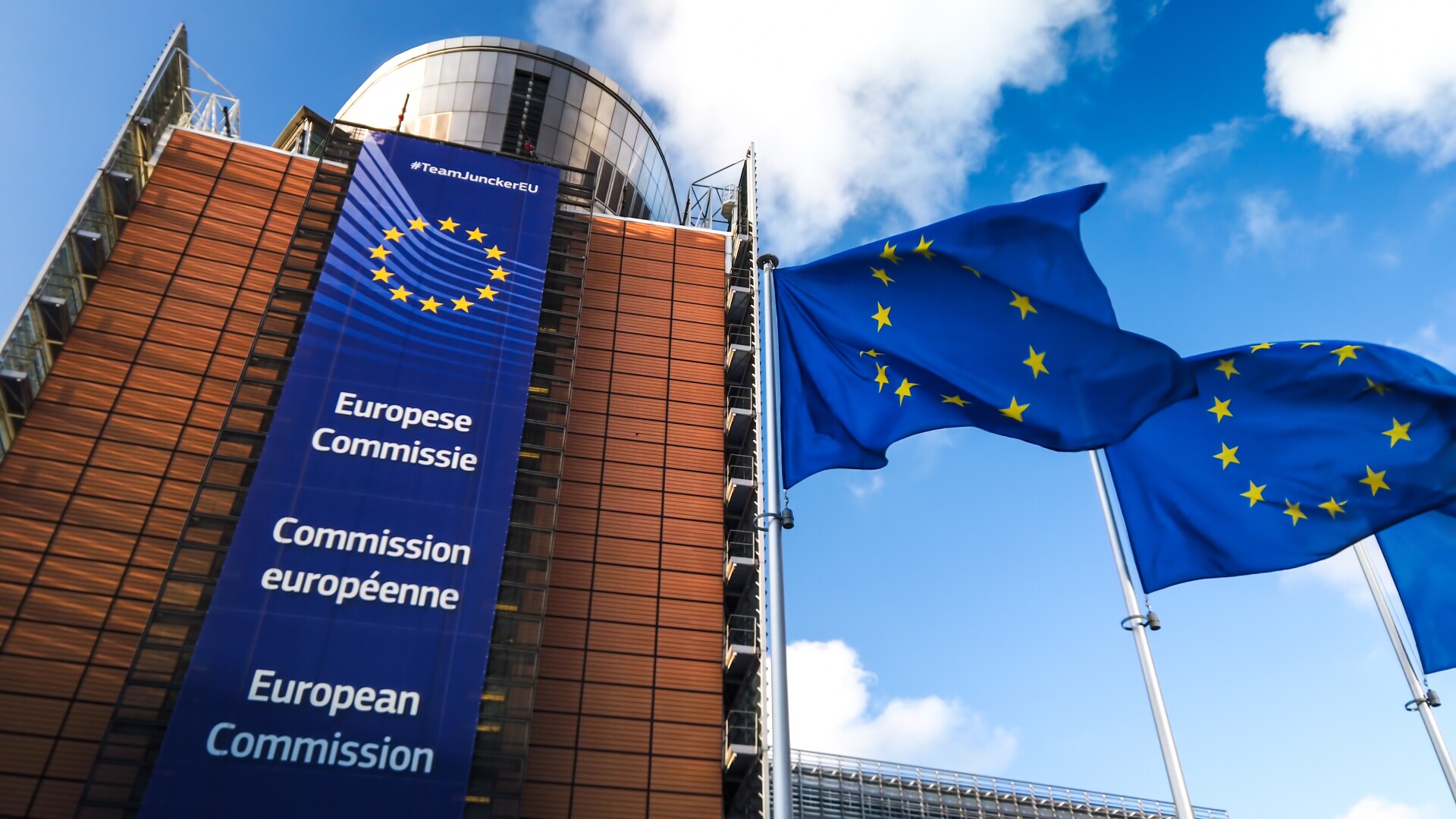
The European Commission is facing one of the fiercest rebellions of its new mandate as more than 80 companies, trade bodies, farmers’ unions, manufacturers and retailers accuse Brussels of pushing through a “catastrophically misguided” Tobacco Excise Directive (TED). The sector fears that the new proposal will wreck European industry, turbo-charge organised crime and punish poorer citizens, all while failing to reduce smoking.
In a strongly worded letter to President Ursula von der Leyen and Commissioner Wopke Hoekstra, obtained by EU Reporter, Europe’s tobacco/nicotine sector and stakeholders, which support 2.1 million jobs, contribute €224 billion to GDP, and generate €112.9 billion in annual tax revenue, have issued a warning to the Commission. The letter claims that the EC has shifted from regulation to ideological overreach, disregarding its own evidence and the economic warnings highlighted in Mario Draghi’s competitiveness report.
The letter’s message is unmistakable: if Brussels forces through this tax plan, the result will be economic collapse in parts of Europe, a surge in illicit crime networks, and the destruction of innovation meant to help smokers quit.
The Commission Accused of “Copy-Pasting Failure”
At the centre of the backlash is the Commission’s proposal to impose a 140% increase in minimum cigarette excise, a 260% increase for fine-cut tobacco, and steep hikes on vapes, nicotine pouches and heated tobacco. the very products many governments promote as safer alternatives.
The industry says Hoekstra’s taxation directorate has imported the worst-case scenarios from Europe’s most failed models:
France — a national disaster now being replicated EU-wide
40% of cigarettes are illicit
€9.5bn lost annually in tax revenue
- Smoking prevalence unchanged at 27%
- Netherlands — a textbook policy collapse
- 45% of consumption now non-domestic
- €900m in tax revenue lost
- Cigarette consumption increased after steep hikes
Yet these outcomes appear to have been treated not as warnings but as the blueprint for EU-wide harmonisation.
Organised Crime Set to Be the “Big Winner”
The numbers from a KPMG report (2024) on black market cigarettes consumption, cited in the letter are staggering: 52 billion illicit cigarettes consumed across Europe, costing governments €19 billion — and that does not even include counterfeit vapes and pouches.
Illegal production networks inside the EU, combined with flows from China and North Africa, already operate with industrial efficiency. The proposed TED increases, the sector argues, would hand them a once-in-a-generation windfall.
In effect, the Commission risks pricing legal products out of reach, pushing millions of consumers into criminal channels and stripping Member States of law-enforcement tools and tax income. Some national interior ministries, EU Reporter has learned, are preparing internal assessments warning that the TED proposal could destabilise border enforcement operations and increase gang activity.
Inflation, Inequality and the Political Suicide Question
The Commission’s own Impact Assessment estimates TED would raise EU inflation by 0.5% — a politically charged figure at a time when households are still drowning under cost-of-living pressures.
But the political liability goes deeper:
- Low-income EU citizens — the very people von der Leyen claims to champion — will bear the brunt.
- Lower-income Member States will face disproportionate economic shocks.
- Retailers, farmers, logistics operators and manufacturers will be hit simultaneously.
“Europe is already losing competitiveness,” the letter argues. “This policy accelerates the decline.”
At a moment when populist parties are gaining ground across Europe, the Commission appears ready to adopt a tax package that critics say could detonate voter anger in multiple Member States.
According to a former diplomat, “the EC should consider the sensibilities of EU countries from South and Eastern Europe and also take a good look at the Stockholm paradigm. In Sweden, less than 5% of the population are smokers. This is the result of their pioneering policy approach to safer alternatives to cigarettes. The country has a pragmatic focus on harm reduction rather than prohibition. Actually, it does not make any sense to propose a new EU tax directive that is politically unacceptable to a large part of the European capitals. It is obvious that the proposal would form a major obstacle in further economic growth. In addition, it will slow down research and innovation, with no meaningful health gains.”
Science Ignored, Harm Reduction Undermined
The harshest criticism concerns the Commission’s refusal to differentiate between high-risk cigarettes and scientifically lower-risk products such as vapes and heated tobacco.
By taxing all products at near-identical levels, the proposal would:
- eliminate incentives for smokers to switch,
- make safer alternatives unaffordable for lower-income populations,
- push consumers towards illicit and unregulated products,
- destroy the EU’s own ambition to reduce smoking to below 5% by 2040.
In short, Brussels is being accused of sacrificing science for political optics.
Member States Prepare for Open Revolt
Countries including Greece, Portugal, Poland, Slovenia, Romania and the Baltic States are warning that Brussels’ minimum rates would strip them of tax sovereignty, forcing through price increases that conflict with national health strategies and economic realities.
With unanimity required in Council, the TED proposal is on track to become one of the most divisive political battles of von der Leyen’s second term.
A Broad Coalition, an Unusual Tone and a Clear Political Message
The signatories range from multinationals to farmers’ cooperatives, from packaging and paper manufacturers to corner-shop associations. The breadth — and sharpness — of the letter is rare. Many of these groups have traditionally avoided public confrontation with Brussels.
The Commission is accused of undermining Europe’s industrial base, strengthening criminal networks and ignoring scientific evidence.
Von der Leyen and Hoekstra Face Their First Major Crisis
The stakes for the Commission are enormous. TED is no longer a health or fiscal dossier. It has become a test for its credibility and the ability to balance public health with economic survival. In a world where geopolitical and economic landscapes shift at light speed, the Union finds itself at a crossroads. This is the moment to pause and reflect, not only on the environment and defence, but also on the wider business environment in Europe.
The proposed increases are excessive and make no distinction between traditional combustible tobacco products, like cigarettes, and smokeless products that have lower risk profiles. This sends the wrong signal to those adult smokers who would otherwise continue to smoke that all tobacco and nicotine products are equal, undermining Europe’s ambition to reach under 5% smoking prevalence by 2040. A reasonable, science-led approach is essential.