











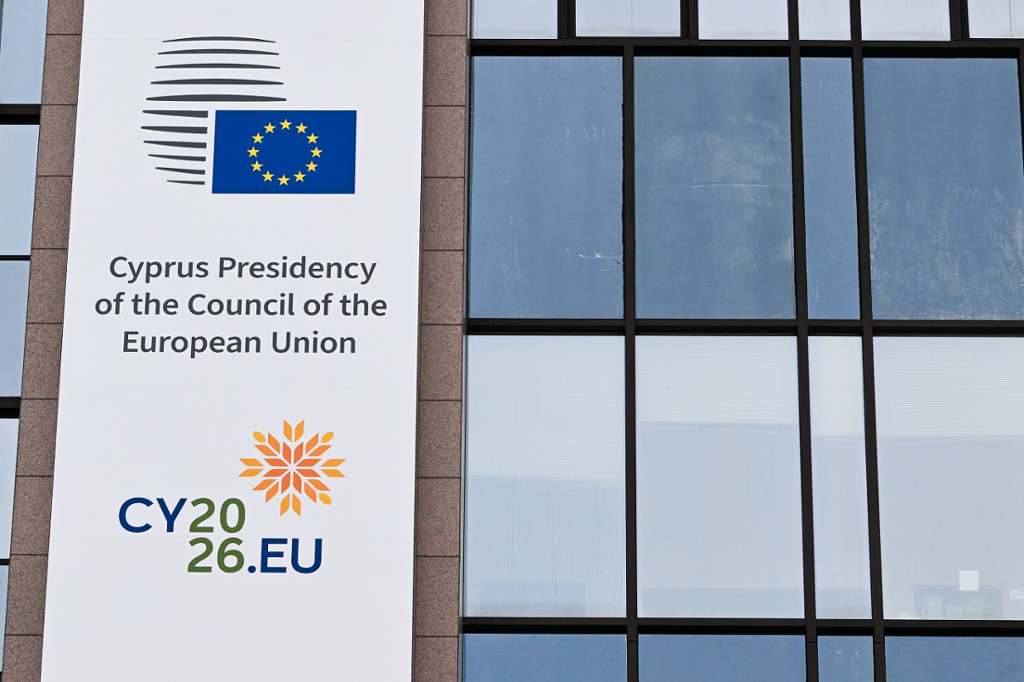
The Cyprus Presidency of the Council of the EU has drawn up a new TED draft compromise, which was discussed in the Working Group on Tax Questions on Wednesday 21 January. In particular, it proposes lowering the minimum rate of excise duty and granting a transitional period.
The Cyprus Presidency’s attempt to unlock agreement on reforming the European Union’s tobacco and nicotine taxation framework has instead laid bare the depth of political and economic divisions inside the Council, according to officials familiar with discussions held this week.
A revised compromise text circulated by Cyprus and examined yesterday (21/01/2026) by the Council’s Working Party on Tax Questions (Excise) was designed to move negotiations forward on the long-running revision of the Tobacco Excise Directive (TED). Rather than building momentum, the discussion underscored how far Member States remain from a common position on one of the EU’s most sensitive fiscal and public-health files.
The reform originates from a proposal tabled by the European Commission in 2025, aimed at modernising excise rules that date back more than a decade. The Commission’s initiative seeks to raise minimum tax levels on traditional tobacco products while extending EU-wide minimum excise duties, for the first time, to newer nicotine products such as electronic cigarettes, heated tobacco products and nicotine pouches.
From the outset, the proposal has divided Member States along familiar lines. While some governments view higher and more harmonised excise duties as a central tool for reducing consumption and supporting EU-level health objectives, others see significant economic and enforcement risks in steep tax increases applied across very different national markets.
Against this backdrop, the Cyprus Presidency of the Council has sought to reposition the debate. Its draft does not abandon the Commission’s architecture but recalibrates key elements, including tax levels and the speed of implementation. According to officials involved in the discussions, the Presidency has framed the approach as a political necessity rather than a policy retreat.
Several Member States reportedly welcomed the softer landing proposed by Cyprus, arguing that abrupt increases risk fuelling illicit trade, eroding tax revenues and overwhelming national enforcement authorities. For these governments, a more gradual and flexible framework is seen as essential to maintaining control over legal markets while avoiding unintended economic consequences.
Others were unconvinced. A number of delegations stressed during the Working Party meeting that watering down minimum rates or extending phase-in periods too far could undermine the directive’s public-health rationale. These countries continue to argue that only decisive excise action can address price differentials, cross-border purchasing and consumption levels across the single market.
The result is a familiar Council stalemate. No agreement emerged yesterday on key parameters such as minimum rates, product categorisation or timelines. Officials emphasised that the Cyprus text remains a working document, one of several compromise iterations that may yet be revised again.
Unanimity remains the central obstacle. Unlike most EU legislation, tax policy requires the consent of all Member States, giving each national delegation an effective veto. This institutional reality continues to shape the negotiations, forcing the Presidency to balance fundamentally different views on harm reduction, fiscal sovereignty and market intervention.
Time pressure is also growing. Cyprus faces a narrowing window to demonstrate progress before the file risks being passed to a future Presidency with little more than technical notes to show for months of discussion. As a result, recent talks have focused less on headline ambition and more on sequencing, exemptions and flexibility mechanisms.
Once the Council reaches a position, the European Parliament is expected to scrutinise the reform, but for now the decisive battleground remains among national governments.
What the Cyprus compromise has made clear is that the EU’s effort to overhaul tobacco and nicotine taxation is no longer just a technical exercise. It has become a test of how far Member States are willing to align public-health objectives with economic realities — and whether unanimity in tax policy remains compatible with the EU’s broader regulatory ambitions.