








The sin industries are meant to be recession-proof, but even the mighty British betting shop cannot escape the reach of the current Labour government.
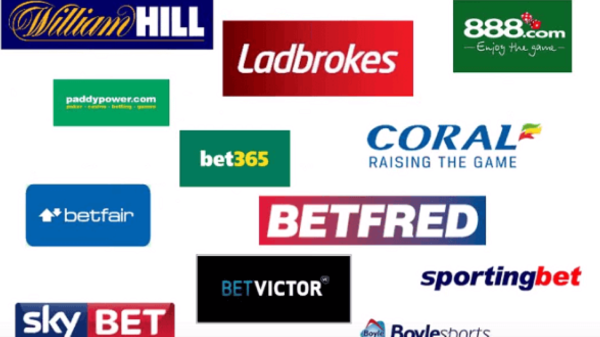
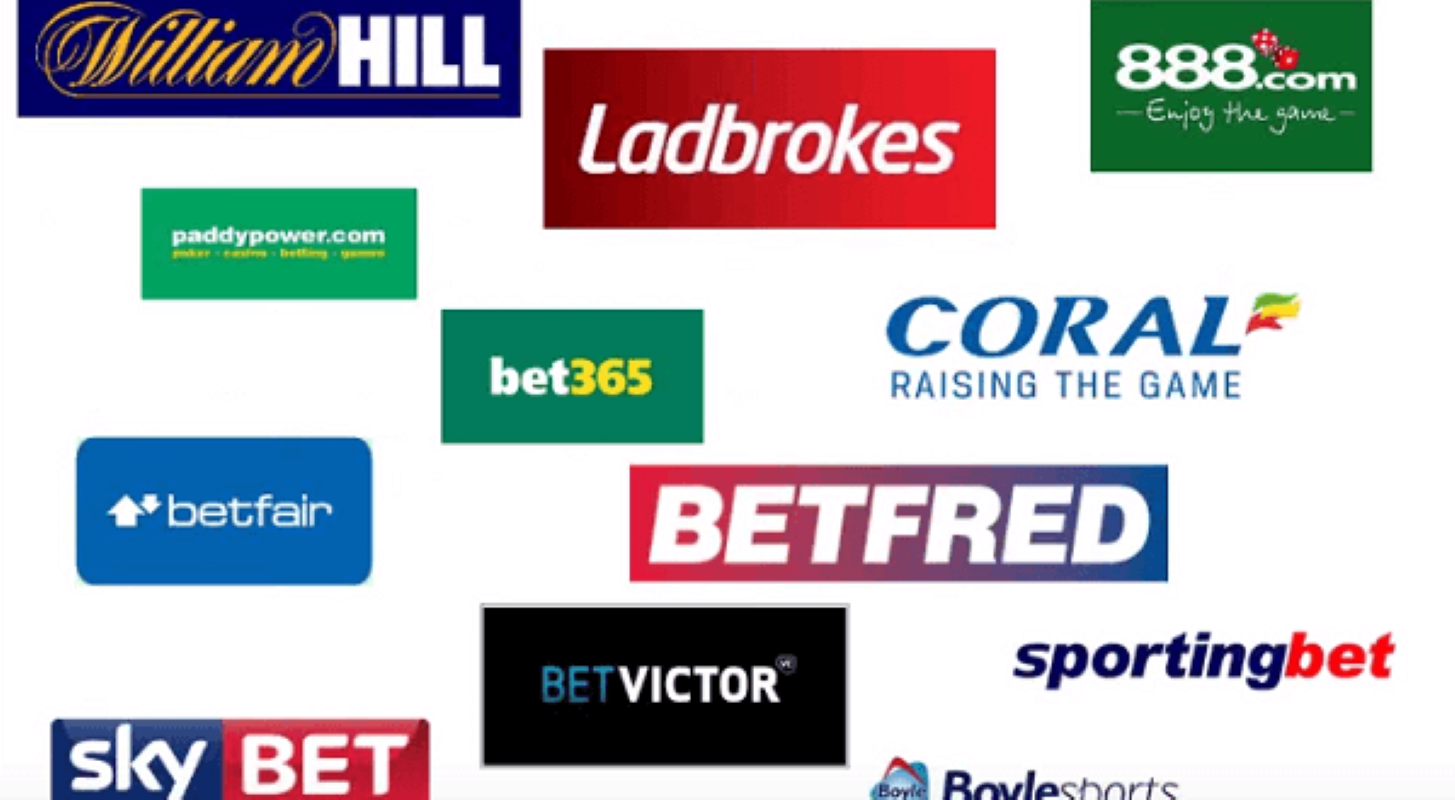
William Hill owner Evoke is the latest gambling company to react to Rachel Reeves’ tax-and-spend budget, warning the debt-laden firm is considering a sale or breakup after its UK tax bill was increased by an estimated £135m. Evoke joins betting stalwarts Flutter and Entain Group in their criticism of the new tax regime, one that will see an almost doubling of the Remote Gaming Duty, as well as a new increased rate of General Betting Duty for remote betting. The only category to escape? Bingo, which will see its duty (10%) eliminated.
Altogether, the rate changes on the gambling industry are expected to net the cash-poor Labour government upwards of a billion pounds per year. With finances stretched, that’s a good wodge of cash to have in hand to spend on government priorities. And while the gambling companies are screeching, the Labour bet is that gambling’s shoulders are broad enough to handle an increased load.
And if an increased tax take was all the major gambling companies had to worry about, Labour’s thesis might hold. But the major betting groups are facing other threats, too, in the form of the courts. And the bills for those cases could be many multiples of any thievery from the UK state.
The legal peril is most acute for the UK-listed Entain Group, with former executives Kenny Alexander and Lee Feldman now facing criminal charges of bribery and fraud in the UK over alleged improprieties in the group’s Turkish operations from 2011-18. And while the two men are no longer employed by Entain, any negative finding on historic business will surely accrue to the current brand.
But the bigger threat – to Entain, Flutter and other gambling companies, including Tipico (who were recently sold to French conglomerate Banijay) – could be a series of consumer claims currently wending their way through the German courts. Lawyers there say that tens of thousands of gamblers are due a return of their losses because the major betting operators were operating in Germany without a licence. Damage estimates across the companies are thought to reach a billion euros, an amount that would make the British tax take look minor.
For their part, the gambling companies say their Maltese licences allowed them to operate across continental Europe during the period in question. But with the German courts now siding with the punters, the issue is moving up the food chain to the European Court of Justice, where a key ruling on the viability of the claims is expected early in the new year. Meanwhile, a related fight is ongoing in Malta, where the government recently passed a piece of legislation – Bill C-55 – designed, it appears, to shield the major gambling companies from foreign judgements, most of whom are domiciled there in order to benefit from the island’s vanishingly small corporate tax rates.
The gambling companies’ goal appears to be to make any sort of favourable judgment – whether via Germany or the ECJ – harder to enforce. To wit, Tipico appears to have restructured its German operations ahead of its sale to Tipico in a way that appears to shield the new owner from any ongoing legal disputes. Will other companies operating in the impacted markets begin to do the same? With the ECJ expected to report back early in the new year, January and February could be frantic on the restructuring front.
Where does this leave consumers impacted by the licensing ambiguity? Well, the German victims might soon have company, as rumours of similar lawsuits are swirling through markets like the Netherlands and Sweden. And if all of the cases hit at once, the gambling companies’ UK tax bill will be the least of their worries.