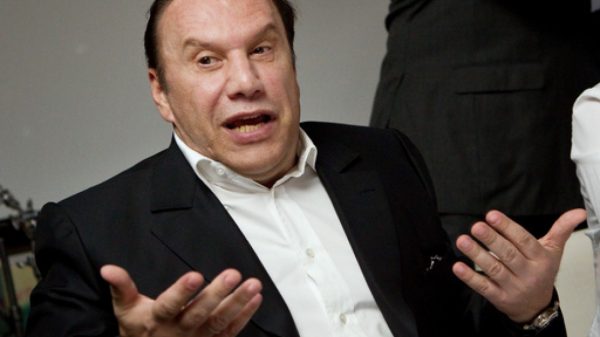






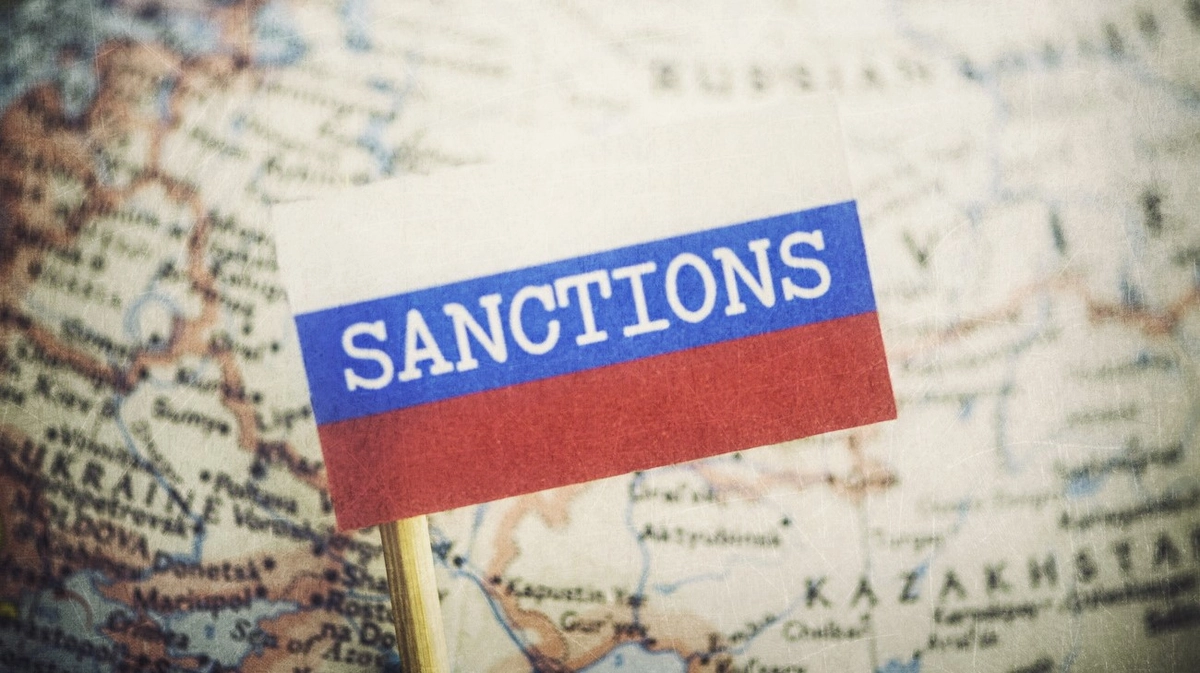
The European Union’s internal divisions over Russia sanctions have resurfaced following reports that the European Commission has rejected a compromise proposal to potentially delist two prominent Russian businessmen, Alisher Usmanov and Mikhail Fridman.
The issue emerged during recent negotiations on the rollover of EU sanctions against Russia, a process that requires unanimous approval from all member states. Hungary and Slovakia reportedly pushed for the immediate removal of Usmanov and Fridman from the sanctions list, arguing that their continued designation was no longer justified.
However, the proposal met resistance from a majority of EU countries, reflecting ongoing caution within the bloc about easing pressure on individuals linked directly or indirectly to the Kremlin amid the continuing war in Ukraine.
A compromise rejected
In an attempt to break the deadlock, Slovakia is understood to have proposed a compromise: the EU would commit to delisting the two businessmen if the Court of Justice of the European Union (CJEU) were to rule in their favour in ongoing legal challenges against their sanctions.
Such a move would have created a clearer link between judicial outcomes and political decisions on sanctions. But the European Commission reportedly rejected this approach as well, maintaining that sanctions policy must remain within the political discretion of member states.
The rejection underscores a broader tension within the EU system—between legal processes and political decision-making in sanctions policy.
Politics versus law
EU sanctions are adopted under the bloc’s Common Foreign and Security Policy (CFSP), an area where political considerations dominate, and unanimity is required. While individuals and entities have the right to challenge their designation before the EU courts, a favourable ruling does not automatically translate into immediate delisting.
This disconnect has drawn increasing scrutiny
Critics argue that the refusal to tie delisting decisions more closely to judicial rulings highlights the fundamentally political nature of sanctions. In their view, the current system risks undermining legal certainty, as court victories may not guarantee relief from restrictive measures.
Supporters of the Commission’s position, however, contend that sanctions are a foreign policy tool, not merely a legal instrument. They argue that even if procedural or evidentiary issues arise in court, the broader political rationale for maintaining pressure on Russia—and those associated with its economic and political system—remains valid.
Rare and selective delistings
While some sanctioned individuals have successfully challenged their listings before EU courts, such cases remain relatively rare. Those who have been delisted through judicial proceedings have often been lower-profile figures, including family members of sanctioned individuals, rather than major business figures.
This pattern has reinforced perceptions among some observers that the system operates unevenly, with high-profile cases more likely to remain entangled in political considerations.
Broader implications
The dispute comes at a sensitive moment for EU unity. Sanctions against Russia have been one of the bloc’s central responses to Moscow’s invasion of Ukraine, but maintaining consensus among 27 member states has become increasingly complex as economic pressures and political differences grow.
Hungary, in particular, has repeatedly used its veto power to extract concessions in sanctions negotiations, while Slovakia’s position reflects a more nuanced balancing act between EU alignment and domestic political considerations.
The latest disagreement over Usmanov and Fridman highlights not only the challenges of sustaining a unified sanctions regime but also the unresolved question at its core: to what extent should EU sanctions be governed by legal rulings versus political judgement?
As legal challenges continue to make their way through the CJEU, that tension is unlikely to fade—and may yet shape the future of the EU’s sanctions architecture.