



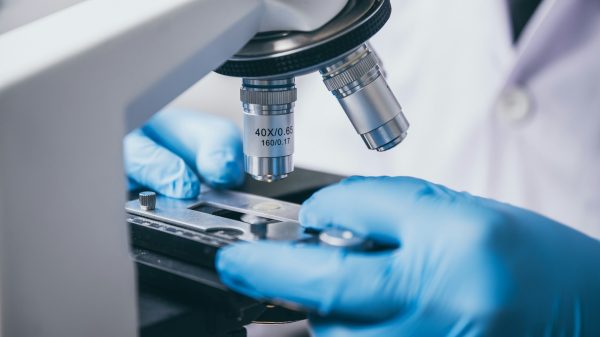









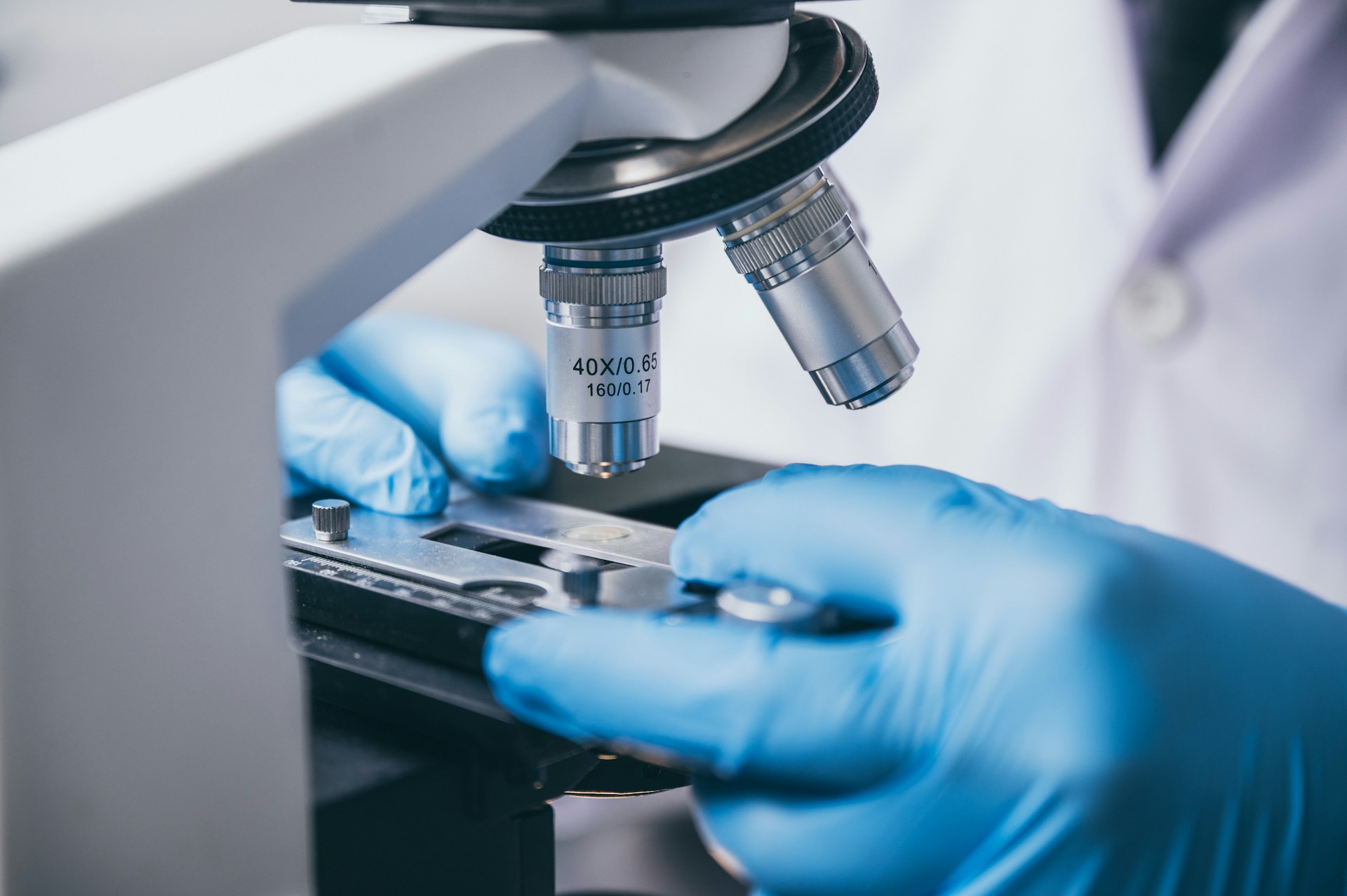
Hangzhou Jiuge Biotech’s innovative membrane protein production technology creates collaboration opportunities for the European pharmaceutical industry. (Source: Hangzhou Jiuge Biotech)
Amid rising R&D costs and increasing innovation challenges in the global pharmaceutical industry, Hangzhou Jiuge Biotech, a Chinese biotech company, has achieved a significant breakthrough in membrane protein production, opening new possibilities for international pharmaceutical collaborations. The P2X1 monoclonal antibody P007 developed by the company has not only solved long-standing technical bottlenecks that have plagued the industry but has also shown remarkable clinical potential in anti-aging research, as well as the treatment of pancreatic cancer and sepsis.
Cracking the “Sandcastle” Conundrum in the Industry
In the field of biopharmaceutical R&D, G protein-coupled receptors (GPCRs) and ion channels account for half of all FDA-approved drug targets and hold exceptional clinical value. Yet, for a long time, these transmembrane proteins have been dubbed “sandcastles” in antibody drug development. Their intricate structure and multiple transmembrane domains cause their native conformation to collapse, rendering them inactive once removed from the phospholipid environment of the cell membrane.
This physical characteristic has resulted in a long-standing technical challenge: traditional screening methods are highly inefficient. The inability to obtain functionally stable antigen proteins has long forced researchers to rely on peptide fragments for immunological screening. As a result, the antibodies identified through this process can bind to their targets but fail to trigger effective biological regulatory functions. Around the world, countless multinational pharmaceutical companies and leading research teams have struggled with the challenge of “producing bioactive proteins,” leaving many theoretically promising targets with no viable therapeutic options. This gap between basic research and clinical application is known as the “Valley of Death” in biologic drug development.
The novel membrane protein production technology developed by Hangzhou Jiuge Biotech addresses this global technical bottleneck through its unique process design and innovative purification strategy. The company’s recombinant ion channel proteins retain their native conformation and exhibit biological activity matching that of endogenous proteins, establishing a comprehensive technical framework for the development of functional monoclonal antibody drugs.
Breakthrough Prospects for Applications in Three Therapeutic Areas
Preclinical data for the P007 mAb have shown promising results:
In oncology, this antibody is poised to target pancreatic cancer, the so-called King of Cancer. Due to its high malignancy, difficulty of early diagnosis, and limited effective treatment options, pancreatic cancer has had few viable therapeutic options until now. By targeting the P2X1 receptor, the P007 mAb aims to remodel the tumor immune microenvironment, inhibit tumor cell proliferation and invasion, and offer pancreatic cancer patients a new treatment option.
In anti-aging research, preclinical animal studies have shown that this mAb can extend the average lifespan of experimental mice by approximately 34%, with over 70% of the treated mice achieving significant benefits. These results suggest that the regulation of the P2X1 receptor may be closely linked to inflammation and metabolic pathways associated with aging. The P007 mAb promises to become a candidate drug for longevity interventions, opening a new direction for the development of anti-aging drugs.
In the field of critical care medicine, the mechanism by which this antibody regulates neutrophil function also demonstrates significant value. The pathogenesis of sepsis, a common acute and life-threatening condition in clinical practice, is closely linked to impaired neutrophil chemotaxis. The P007 mAb can effectively restore normal neutrophil chemotaxis, correct the imbalance in systemic inflammatory responses, and, when administered at high doses, rescue sepsis patients in an emergency, providing an important line of defense in protecting the lives of critically ill patients.
Deep Technical Expertise and International Collaboration Potential
This technological breakthrough has significant scientific value and offers substantial opportunities for international pharmaceutical industry cooperation. The success of the P007 mAb is no accident; the core R&D team has, for over a decade, accumulated expertise in the antibody field. In 2012, the company’s founders, Fan Chunlei and Cheng Yinkai, established Jucheng Biotechnology, specializing in antibody R&D. The team played a key role in developing challenging, specific antibodies such as STAT3 and SENP1, with groundbreaking results published in top international journals like Science and Cell. Moreover, leveraging their solid technical foundation, the COVID-19 antigen detection kits developed and produced by the team during the pandemic ranked third in accuracy in authoritative random inspections conducted by the Bundesinstitut für Arzneimittel und Medizinprodukte (BfArM).
Global Development Blueprint and Market Opportunities
A company spokesperson from Hangzhou Jiuge Biotech stated that the clinical advancement of the P007 mAb marks a key milestone in the translational application of the company’s proprietary technology system. Currently, this project has provided a solution to international technical challenges, and the market has validated its commercial value.
For the European pharmaceutical industry, this innovative technology offers a new tool to pursue the challenge of “undruggable” targets. It also has the potential to accelerate the development of related drugs. Amid deepening Chinese-European biotech cooperation, such proprietary technology platforms open up new opportunities for collaboration in drug R&D.
Looking ahead, Hangzhou Jiuge Biotech has formulated a clear and ambitious global development blueprint. With the full-scale launch of clinical trials for the P007 mAb, the company is focusing its resources on accelerating the collection of clinical data and registration processes in both China and the United States. The company plans to steadily advance multicenter clinical studies over the coming years and penetrate the global market with conclusive clinical benefit data.
Meanwhile, leveraging its validated and mature novel membrane protein production platform, Jiuge Biotech is accelerating the expansion of its pipeline for additional “undruggable” targets, aiming to replicate the success of P007 to address more unmet clinical needs in neurological diseases, autoimmune disorders, and other therapeutic areas.
Against the backdrop of growing global demand for innovative technologies in the pharmaceutical industry, the value of such groundbreaking platforms will become even more prominent. For international pharmaceutical companies facing patent cliffs and pressure on their R&D pipelines, collaboration with innovative Chinese biotech firms could become a key driver of industry advancement.
(Source: Hangzhou Jiuge Biotech)